

 Published by Aamir SkUpdated October 2026
Losing 5 to 10 percent of body weight reliably reduces liver fat, and larger losses can calm inflammation and even improve early scarring. Tirzepatide has shown strong results for fatty liver in clinical trials, but it is not yet licensed specifically for liver disease, so treatment is guided by weight and metabolic health, with the liver monitored alongside.
What fatty liver actually is
Fatty liver means fat has built up inside liver cells. When it is linked to excess weight, insulin resistance, diabetes or high cholesterol rather than alcohol, it has long been called non-alcoholic fatty liver disease, or NAFLD.
In 2023 international liver societies renamed it metabolic dysfunction-associated steatotic liver disease, or MASLD. The inflamed form, previously NASH, is now called MASH. You will see both sets of names on reports.
Simple fatty liver is common and often silent. In a proportion of people it progresses to inflammation, then to scarring (fibrosis), and in a smaller number to cirrhosis. The aim of treatment is to stop that progression early.
Fatty liver is also a marker of wider metabolic risk. People with MASLD have higher rates of type 2 diabetes and heart disease, which is often the bigger threat to their health.
Why it is so common in India
Studies suggest that fatty liver affects a large share of Indian adults, often estimated at around a third, and many people learn about it only from an ultrasound done for something else.
South Asians tend to store fat around the abdomen and in organs at a lower body weight than many other populations. This is why fatty liver is frequently found in people who are not visibly overweight, sometimes called lean fatty liver.
Diets high in refined carbohydrates, sugary drinks and fried snacks, combined with low physical activity, add to the risk. So does a family history of diabetes.
The same reasoning lies behind the lower BMI thresholds used for Asian patients when deciding who qualifies for weight loss treatment.
What weight loss does for the liver
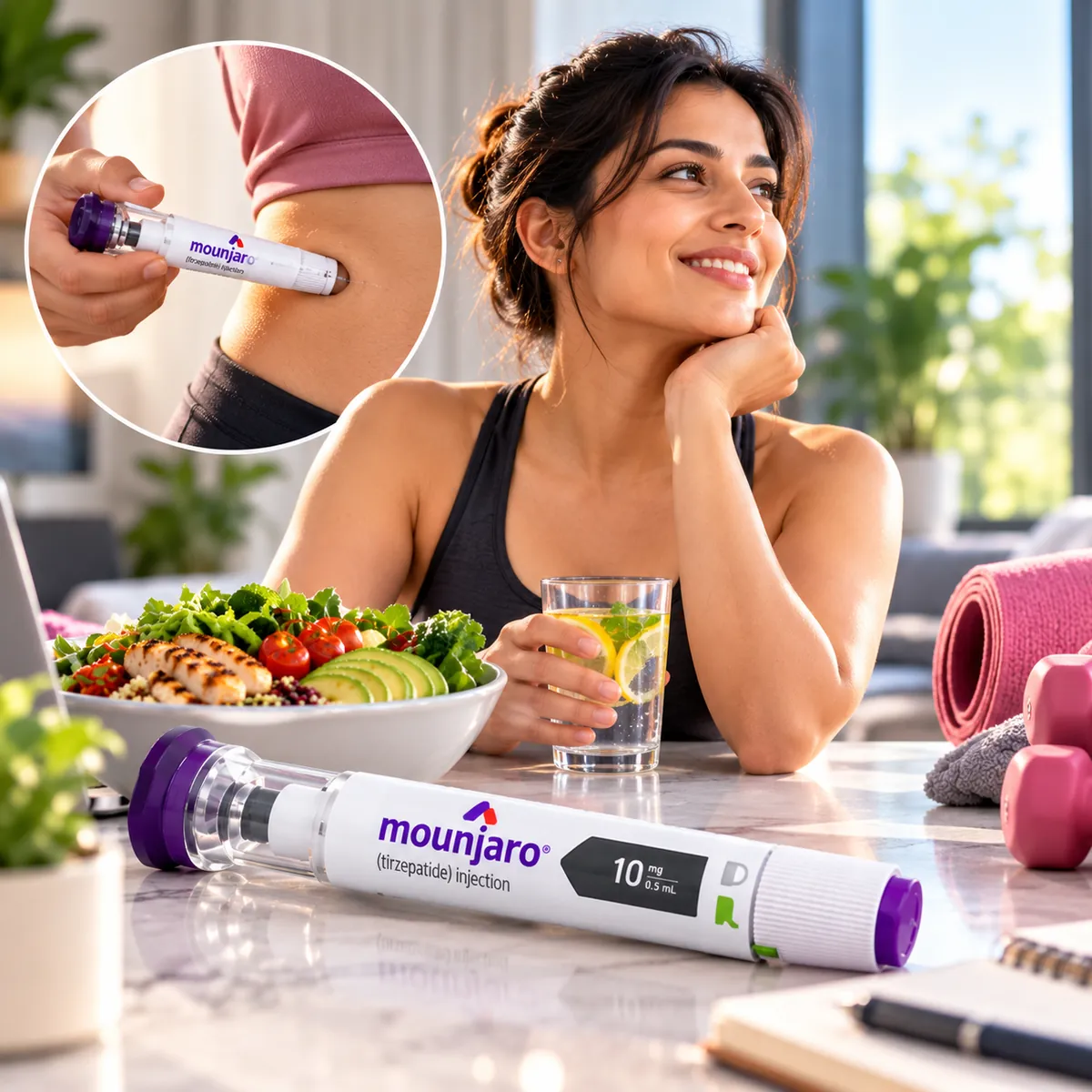
The liver is one of the organs that responds most quickly to weight loss. Liver fat starts to fall within weeks of eating less, often before the change shows on the scale.
Research consistently shows that losing around 5 percent of body weight reduces liver fat, losing 7 to 10 percent can resolve inflammation in many patients, and losses of 10 percent or more are associated with improvement in fibrosis.
These figures come from lifestyle studies, not drug trials. The difficulty has always been that relatively few people reach and keep a 10 percent loss with diet alone.
That is where medicines such as Mounjaro have changed the picture: they make losses of that size achievable for a much larger number of patients.
What the trials show for tirzepatide
In a substudy of a large type 2 diabetes trial, tirzepatide reduced liver fat measured on MRI significantly more than the comparison insulin treatment.
A dedicated phase 2 trial in people with biopsy-proven MASH, published in 2024, found that a much higher proportion of patients on tirzepatide had resolution of liver inflammation after a year than those on placebo, with signs of fibrosis improvement as well.
Semaglutide, the medicine in Ozempic and Wegovy, has also shown benefit in liver trials, and in some countries Wegovy has received approval for MASH with moderate to advanced fibrosis.
The honest summary is that the evidence for tirzepatide in fatty liver is strong and growing, but larger confirmatory trials are still running, and it is not licensed in India specifically to treat liver disease. Treatment is prescribed for weight and metabolic health, and liver improvement is a well-supported benefit that we monitor.
The tests that matter
A normal liver blood test does not rule out fatty liver. Liver enzymes such as ALT can be normal even when significant fat or scarring is present, and raised enzymes do not tell you how much scarring there is.
An ultrasound shows whether fat is present but is poor at measuring how much, and cannot assess fibrosis reliably.
Fibrosis risk is usually estimated with a simple blood-test score such as FIB-4, followed where needed by a FibroScan, a quick, painless scan that measures liver stiffness and fat.
We look at these results alongside blood sugar, HbA1c, cholesterol, blood pressure and waist measurement, because fatty liver rarely travels alone.
How treatment is planned
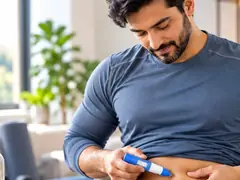
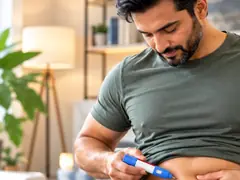
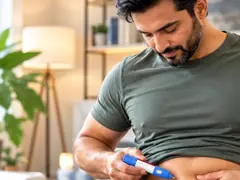
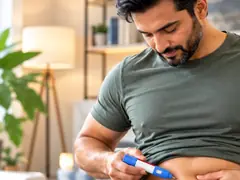
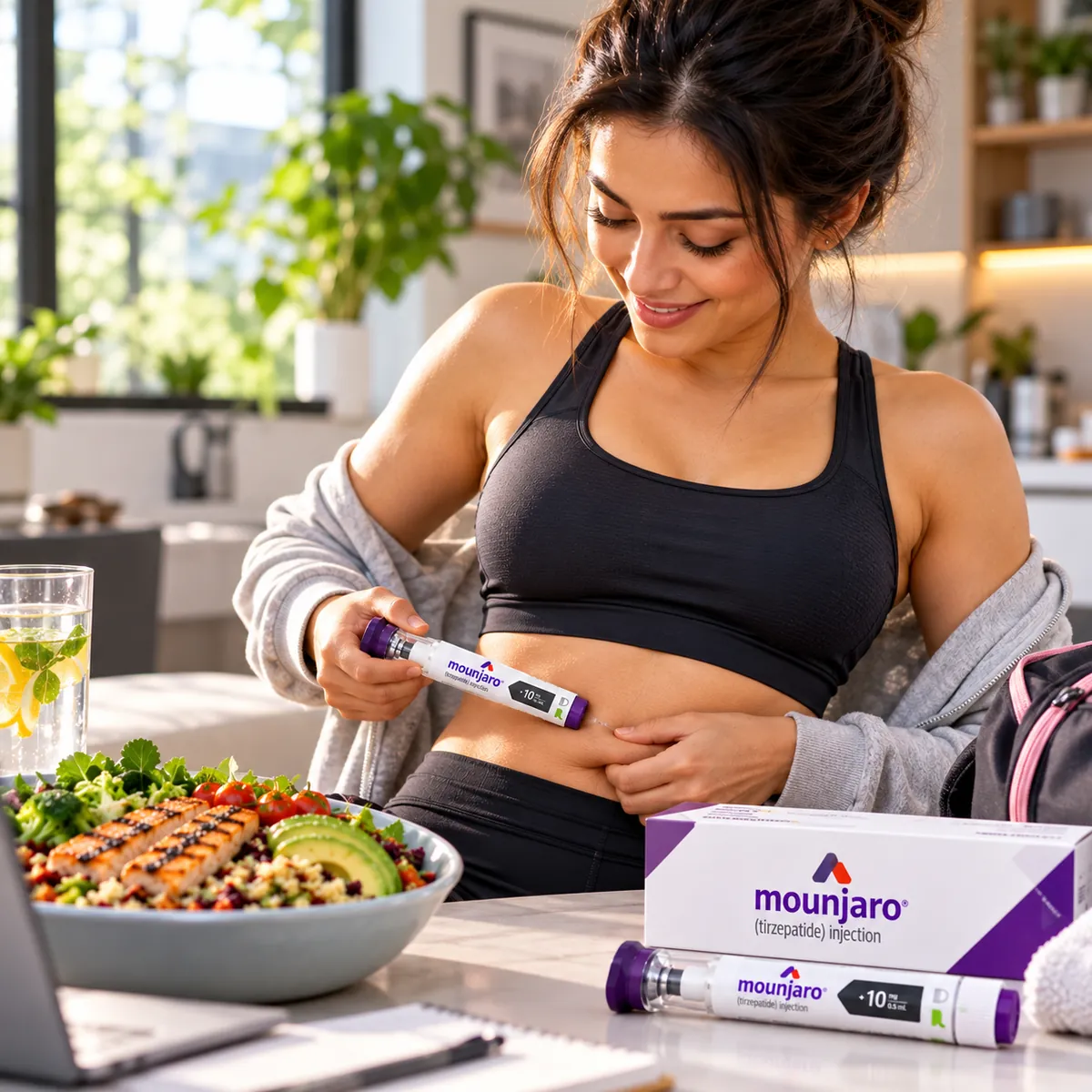
If you have fatty liver and meet the criteria for medical weight loss, Mounjaro can be a reasonable option, started at the lowest dose and increased slowly to keep side effects down.
Protein intake matters. Eating too little protein during rapid weight loss can worsen muscle loss and, in rare cases, stress the liver, so dietitian support is part of the programme rather than an extra.
Alcohol should be minimised or stopped. Even moderate drinking adds to liver injury, and some patients with fatty liver have both metabolic and alcohol-related causes.
Liver tests are repeated at intervals so that improvement can be measured, not assumed. If your earlier results showed significant fibrosis, we coordinate with your gastroenterologist or hepatologist rather than running treatment separately.
When extra caution is needed
People with established cirrhosis, particularly cirrhosis with complications such as fluid build-up or bleeding, need specialist liver input before any weight loss medicine is considered. Trial data in this group is limited.
Rapid weight loss raises the risk of gallstones, which are already more common in people with fatty liver. Severe pain in the upper right abdomen should be reported promptly.
A history of pancreatitis, or a personal or family history of medullary thyroid cancer or MEN2, rules out GLP-1 treatment regardless of liver status.
Some medicines and supplements sold for liver health have little evidence behind them. Tell your doctor about anything you take, including herbal products.
Diet and daily habits that help
Cutting sugary drinks, packaged juices and sweets has an outsized effect on liver fat, because the liver handles excess sugar, particularly fructose, by turning it into fat.
Swap refined grains for whole grains, millets and pulses, build each meal around protein and vegetables, and keep fried snacks occasional rather than daily.
Physical activity reduces liver fat even before weight changes. A mix of brisk walking and two or three sessions of strength training a week also protects muscle while you lose weight.
Our Mounjaro diet plan for Indian households gives practical vegetarian and non-vegetarian meal patterns that fit these principles.
What to expect over time
Liver fat often improves within the first few months of meaningful weight loss. Changes in fibrosis are slower and are usually assessed after a year or more.
Improvement depends on how much weight is lost and kept off. Stopping treatment without a plan, followed by weight regain, tends to bring the liver fat back.
For most patients the most important result is not a single liver number but the overall reduction in metabolic risk: lower blood sugar, better cholesterol, lower blood pressure and a healthier liver together.
The goal is a liver that stays healthy long term, which is why we plan discontinuation and maintenance as carefully as the start of treatment.
Watch Dr. Rajat Goel on weight loss
Dr. Goel explains how medical weight loss works and what the journey involves.
Videos play from YouTube only when you press play. YouTube may then set cookies. Cookie Policy
Frequently asked questions
Can Mounjaro cure fatty liver?
How much weight do I need to lose to improve fatty liver?
Is Mounjaro safe if I have fatty liver?
My liver tests are normal. Can I still have fatty liver?
Mounjaro or Ozempic for fatty liver?
Do I still need to change my diet?
Medical disclaimer. This article is general information, not medical advice, and does not replace consultation with a qualified doctor. The medicines discussed are prescription-only and must be prescribed and monitored by a physician. Outcomes vary between individuals. Never start, stop or change a prescribed medicine without medical advice.