


 Published by Aamir SkUpdated October 2026
There is no direct chemical interaction between Mounjaro and alcohol, and an occasional small drink is acceptable for many patients. The real risks are stronger nausea and vomiting, low blood sugar if you take insulin or sulfonylureas, a higher pancreatitis risk with heavy drinking, and slower weight loss.
The short answer
Mounjaro (tirzepatide) does not react chemically with alcohol, and its prescribing information does not forbid drinking. For most patients, an occasional small drink is not dangerous in itself.
That is not the same as saying alcohol and Mounjaro mix well. Both act on the stomach, the liver, blood sugar and appetite, and those overlaps are where problems appear.
The sensible position is that alcohol is a matter of quantity, timing and your own medical history. Someone with well-controlled weight and no diabetes medicines faces very different risks from someone on insulin or with a past episode of pancreatitis.
If you are unsure which group you are in, ask before the event rather than after it.
Why drinks can feel different now
Mounjaro slows the rate at which the stomach empties. Food and drink stay in the stomach longer, which is part of why you feel full sooner. It also means alcohol sits with food in a stomach that is already prone to nausea.
Many patients notice that one or two drinks now make them feel unwell, bloated or nauseated much faster than before. Others report that they simply want less, or lose interest halfway through a glass.
How quickly alcohol reaches the bloodstream varies from person to person on these medicines, so do not assume your old tolerance still applies. Pace yourself, and judge by how you feel rather than by how much you used to drink.
Never drive after drinking, whatever you think your tolerance is.
Side effects that alcohol makes worse
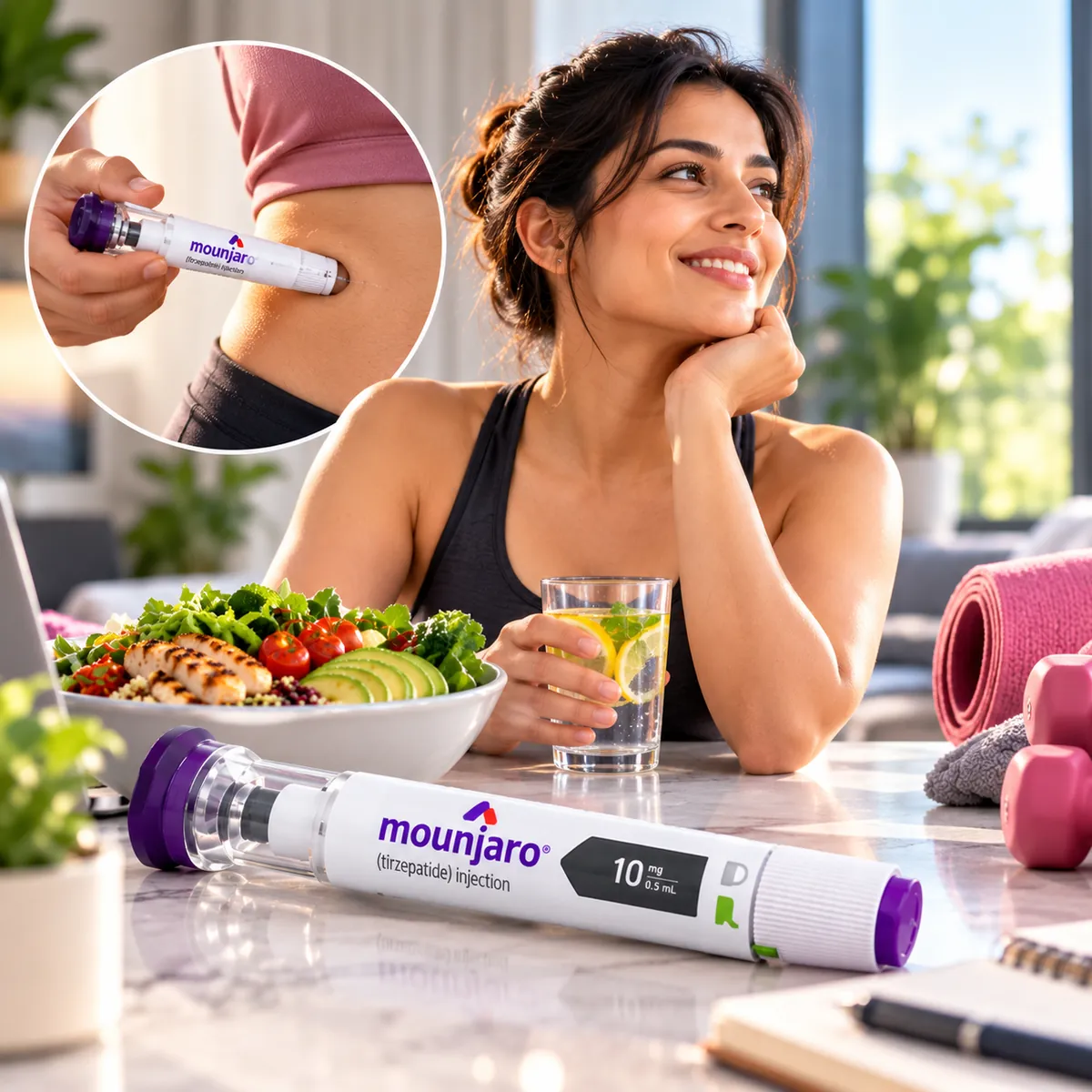
The common side effects of Mounjaro are digestive: nausea, reflux, burping, vomiting, diarrhoea and constipation. Alcohol irritates the stomach lining and relaxes the valve at the top of the stomach, so it tends to amplify every one of them.
These effects are usually strongest in the first weeks of treatment and for a few days after each dose increase. That is the worst possible time to add alcohol.
Vomiting and diarrhoea also cause fluid loss, and alcohol adds to dehydration. Significant dehydration on GLP-1 medicines can strain the kidneys, which is why persistent vomiting is something to report rather than sleep off.
A hangover on Mounjaro is often worse than a hangover without it, mainly because of this combination of nausea and dehydration.
Low blood sugar if you have diabetes
Alcohol blocks the liver from releasing stored glucose, which can cause blood sugar to fall several hours after drinking, often overnight.
Mounjaro on its own rarely causes low blood sugar. The risk rises sharply when it is combined with insulin or sulfonylureas such as glimepiride or gliclazide, and alcohol adds a third push in the same direction.
If you take these medicines, do not drink on an empty stomach, check your sugar before bed after drinking, and make sure someone with you knows the signs of hypoglycaemia: shakiness, sweating, confusion and unusual drowsiness. These are easily mistaken for being drunk.
Your doctor may need to adjust your diabetes medicines once Mounjaro is started anyway, and alcohol is one more reason to have that conversation early. Our guide to Mounjaro for type 2 diabetes covers this in more detail.
Pancreatitis and the liver
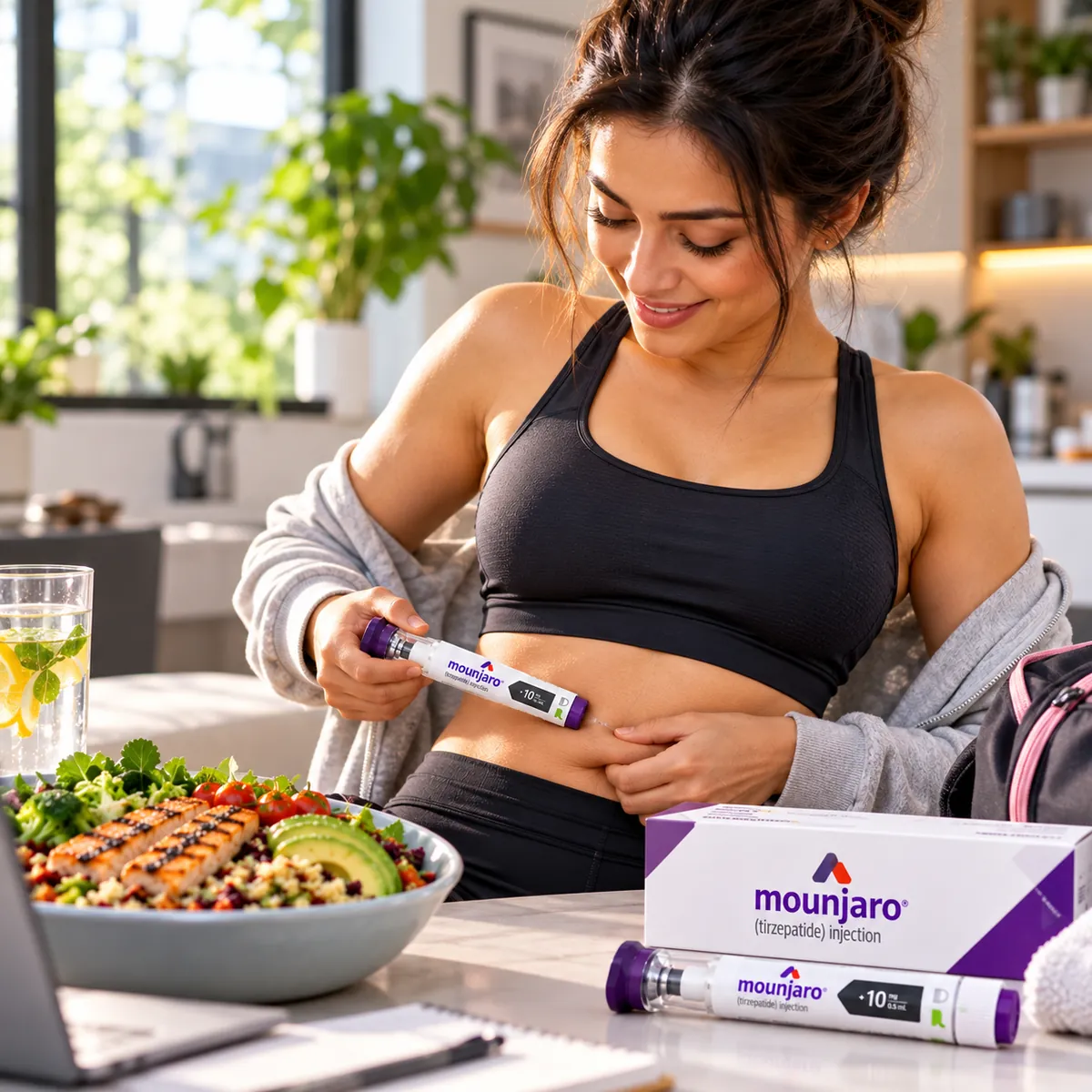
Heavy drinking is one of the most common causes of acute pancreatitis. GLP-1 medicines, including Mounjaro, also carry a warning about pancreatitis, which is uncommon but serious.
No one can say exactly how the two risks combine, but it is not sensible to stack them. Binge drinking while on Mounjaro is the pattern we most want patients to avoid.
A previous episode of pancreatitis, particularly one linked to alcohol, is a reason your doctor may decide GLP-1 treatment is not suitable at all.
Alcohol is also a direct cause of fatty liver, the condition that weight loss treatment is often trying to improve. Drinking regularly works against one of the main health benefits of losing weight.
What alcohol does to weight loss
Alcohol carries a surprising number of calories with no nutritional value. A large peg of whisky with a mixer, two glasses of wine or a couple of beers can add several hundred calories to an evening.
On Mounjaro you are eating less, so each meal matters more for protein and nutrients. Calories from alcohol displace food you actually need, which makes muscle loss and fatigue more likely.
Alcohol also lowers inhibition around food. The late-night snack after a party is a familiar reason for a stalled week on the scale.
If your weight has plateaued and you drink most weekends, alcohol is worth looking at before any change of dose. Our plateau guide lists the other common causes.
Does Mounjaro reduce the urge to drink?
Many patients on GLP-1 medicines say they lose interest in alcohol without trying. This is an active area of research, because the same brain reward pathways involved in appetite are involved in cravings.
Early studies, including small trials and large analyses of health records, suggest these medicines may reduce alcohol intake in some people. The evidence is promising but still preliminary.
Mounjaro is not approved as a treatment for alcohol use disorder in India or elsewhere, and it should not be used as one. If you are worried about how much you drink, tell your doctor; effective, specific treatments exist.
If you do notice you want less, that is a welcome side benefit, not a reason to drink more on the days you do.
Practical guidance if you choose to drink
Avoid alcohol in your first month on Mounjaro and for a few days after each dose increase, when side effects are strongest and you are still learning how your body reacts.
Many patients find it easier to plan social events away from injection day and the one or two days after it. Keep to one or two drinks, eat a protein-containing meal first, and alternate every drink with a glass of water.
Choose lower-sugar options: spirits with soda water or a diet mixer, or a small glass of dry wine, rather than cocktails, sweet wines or sugary mixers. Fizzy drinks can worsen bloating, so notice whether they suit you.
Do not skip or delay your weekly dose to make room for a party. Changing the schedule without advice causes more trouble than the drink itself. If you have missed a dose for any reason, follow the missed-dose rules your doctor gave you.
When to seek medical help
Contact a doctor the same day for severe abdominal pain, especially pain that spreads to the back; for vomiting you cannot stop or that lasts more than a day; or if you are unable to keep fluids down.
If you take insulin or sulfonylureas, treat suspected low blood sugar immediately with fast-acting sugar and get help if it does not improve.
Severe pain in the upper right abdomen, yellowing of the skin or eyes, or fever also need prompt assessment.
Our patients can reach the clinical team on WhatsApp for advice, and we would always rather hear early.
Watch Dr. Rajat Goel on weight loss
Dr. Goel explains how medical weight loss works and what the journey involves.
Videos play from YouTube only when you press play. YouTube may then set cookies. Cookie Policy
Frequently asked questions
Can I drink alcohol while taking Mounjaro?
How long after a Mounjaro injection can I drink?
Why do I feel drunk faster on Mounjaro?
Does Mounjaro stop alcohol cravings?
Is beer or wine better than spirits on Mounjaro?
Should I skip my dose before a party?
Medical disclaimer. This article is general information, not medical advice, and does not replace consultation with a qualified doctor. The medicines discussed are prescription-only and must be prescribed and monitored by a physician. Outcomes vary between individuals. Never start, stop or change a prescribed medicine without medical advice.